
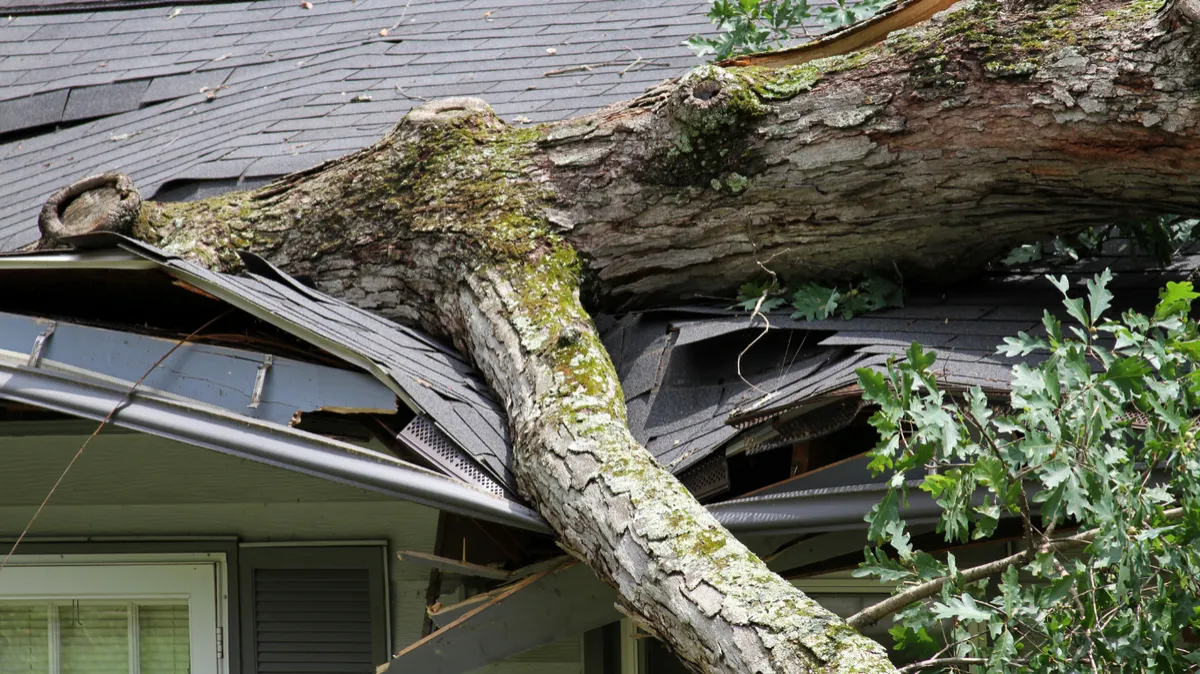
How Phoenix Weather Impacts Your Roof: Roofing Problems Homeowners Should Watch For
Living in Phoenix means dealing with weather that can be hard on your home.
Extreme summer heat.
Intense sunlight.
Strong winds.
Dust.
And during monsoon season, sudden storms can bring heavy rain, powerful wind, lightning, and flying debris.
Your roof takes the impact of all of it.
Over time, these conditions can contribute to roofing problems that aren't always obvious from the ground.
A small area of damage today can become a much bigger repair later if it's ignored.
That's why Phoenix homeowners need to understand how local weather can affect their roofs—and what signs to watch for.
Why Phoenix Weather Can Be Hard on Your Roof
Phoenix has a unique combination of environmental conditions that can put stress on roofing materials.
The intense summer heat exposes roofs to prolonged high temperatures and sunlight.
Then monsoon storms can bring sudden changes in conditions, including heavy rain and strong winds.
That means a Phoenix roof can face very different challenges throughout the year.
Some problems develop gradually.
Others can happen during a single severe storm.
Knowing what to look for can help homeowners identify potential issues before they become more expensive problems.
1. Extreme Heat Can Accelerate Roof Wear
Phoenix summers can be extremely hot.
Your roof sits outside in that heat every day, absorbing sunlight and experiencing repeated temperature changes.
Over time, prolonged heat exposure can contribute to the aging and deterioration of roofing materials.
Homeowners may eventually notice signs such as:
Cracked or damaged roofing materials
Brittle materials
Visible deterioration
Damaged flashing
Areas that appear worn
Increased maintenance issues
The exact impact depends on the roofing material, installation, age, ventilation, and other factors.
That's why it's important not to assume that every visible issue is simply “normal Arizona wear.”
If your roof is showing signs of deterioration, a professional inspection can help determine what is actually happening.
2. Arizona Sun Can Take a Toll on Roofing Materials
Heat isn't the only challenge.
Your roof also receives significant exposure to sunlight and ultraviolet radiation.
Over years of exposure, sunlight can contribute to the aging of roofing materials.
This is one reason regular inspections and maintenance matter.
You don't necessarily need to wait until you see a major leak.
Look for warning signs from the ground, such as:
Damaged or missing roofing materials
Uneven areas
Visible deterioration
Damaged roof edges
Problems around flashing
Debris collecting on the roof
If something looks different from the last time you checked your home, don't automatically ignore it.
A small change may be worth having a professional evaluate.
3. Monsoon Storms Can Cause Sudden Roof Damage
Phoenix's monsoon season can bring a completely different set of roofing challenges.
Strong thunderstorms can produce:
Heavy rain
Strong wind
Flying debris
Lightning
Hail in some storms
Sudden water intrusion
A roof that looked fine before a storm may have problems afterward.
Wind can damage or displace roofing materials.
Debris can strike the roof.
Heavy rainfall can expose existing weaknesses.
And water can find its way through areas that were already compromised.
That's why it's smart to pay attention to your roof after significant storms.
If you notice signs of damage, don't wait for the next storm to test it again.
4. Roof Leaks May Not Be Obvious at First
Many homeowners assume they'll know immediately if their roof has a problem.
That's not always the case.
A roofing issue doesn't necessarily begin with water dripping from the ceiling.
You might first notice:
A ceiling stain
Discoloration on a wall
Damp insulation
Musty odors
Peeling paint
Moisture around a fixture
Signs of water in the attic
By the time water becomes obvious inside the home, the underlying problem may have been present for some time.
If you notice signs of moisture after a storm or during a period of heavy rain, it's worth having the source evaluated.
The sooner a problem is identified, the more options you may have for addressing it.
5. Wind and Debris Can Damage Your Roof
Strong winds don't have to completely destroy a roof to cause problems.
They can damage individual components or create vulnerabilities that become worse during the next storm.
Flying branches, debris, and other objects can also cause physical damage.
After a major storm, look around your property from a safe location.
Check for:
Branches on the roof
Roofing materials in the yard
Visible damage
Damaged gutters
Loose exterior components
Water stains inside the home
Don't climb onto the roof to inspect it yourself.
A roof can be slippery, unstable, or structurally compromised after a storm.
If you suspect damage, contact a qualified roofing professional for an inspection.
6. What Phoenix Homeowners Should Check After a Storm
After a significant Phoenix storm, a quick visual check around your property can help you identify obvious warning signs.
From the ground, look for:
Missing or Damaged Roofing Materials
Anything that appears displaced, broken, or missing deserves attention.
Damaged Flashing
Flashing around roof penetrations and edges can be vulnerable to weather and may contribute to water intrusion if damaged.
Debris
Branches and other debris can damage roofing materials or block drainage areas.
Gutter Problems
Check for visibly damaged or detached gutters and downspouts.
Interior Water Damage
Look for new ceiling stains, wall discoloration, or other signs of moisture.
Attic Moisture
If you can safely access your attic, look for obvious signs of water intrusion or moisture.
Remember:
A visual check doesn't replace a professional inspection.
If you suspect your roof has been damaged, have a qualified roofing professional evaluate it rather than attempting to walk across the roof yourself.
7. When Should You Schedule a Roof Inspection in Phoenix?
There's no single inspection schedule that applies to every home.
The right timing depends on factors such as:
Roof age
Roofing material
Previous repairs
Visible damage
Storm exposure
Maintenance history
Signs of leaks
However, certain situations should make homeowners consider an inspection.
After Significant Storms
Especially if you notice visible damage or debris.
When You Notice a Leak
Don't wait for the problem to become worse.
When Your Roof Is Getting Older
Older roofing systems may need more frequent evaluation.
After Repeated Repairs
If you're constantly repairing the same areas, it may be time to evaluate the overall condition of the roof.
Before Buying or Selling a Home
A professional inspection can help identify potential roofing issues before a major transaction.
Regular attention can help homeowners understand the condition of their roof before a small issue turns into a major surprise.
8. Roof Repair or Roof Replacement: What Should Phoenix Homeowners Consider?
Not every roofing problem means you need an entirely new roof.
Sometimes a localized repair may be appropriate.
Other situations may justify considering replacement.
The decision can depend on:
Age of the roof
Extent of damage
Number of problem areas
Previous repairs
Condition of the roofing materials
Expected remaining service life
Overall roof performance
For example, a relatively new roof with isolated damage may be a good candidate for repair.
An older roof with widespread deterioration and recurring problems may require a different conversation.
The important thing is not to make the decision based on one visible issue alone.
Have the roof evaluated and understand the condition of the entire system.
9. How to Protect Your Roof From Phoenix Weather
You can't control the weather.
But you can control how well you maintain your roof.
A few practical steps can help:
Schedule Professional Inspections
Regular inspections can help identify problems before they become emergencies.
Keep Gutters and Drainage Areas Clear
Proper drainage helps move water away from the home.
Trim Problematic Tree Branches
Branches that hang over your roof can become a hazard during strong winds.
Pay Attention After Storms
Don't ignore visible damage simply because your roof isn't leaking yet.
Keep Records of Repairs
Knowing what work has been performed can help when evaluating future roofing issues.
Address Problems Promptly
A small repair may become more complicated if it's left unresolved.
Roof maintenance isn't about preventing every possible problem.
It's about reducing avoidable surprises.
10. Don't Ignore the Signs of Roof Damage
One of the biggest mistakes homeowners make is waiting until the problem becomes impossible to ignore.
A small ceiling stain becomes a major leak.
A damaged roofing component becomes a larger area of damage.
A minor storm issue becomes a serious problem during the next storm.
That doesn't mean every small roofing issue will become a major one.
It means homeowners should pay attention to changes.
If you notice:
New leaks
Missing roofing materials
Visible storm damage
Damaged flashing
Interior stains
Repeated repairs
Significant deterioration
have the issue evaluated.
Knowing about a problem gives you options.
Ignoring it can reduce them.
Common Roofing Mistakes Phoenix Homeowners Make
Even homeowners who take good care of their property can make simple mistakes when it comes to roofing.
Waiting for a Leak
A roof can have damage before water appears inside the home.
Ignoring Post-Storm Damage
A roof may look fine from the ground while still having issues that require professional evaluation.
Attempting to Inspect the Roof Themselves
Walking on a roof can be dangerous, especially after a storm.
Leave detailed roof inspections to qualified professionals.
Assuming Every Problem Requires Replacement
Some issues may be repairable.
Get a professional evaluation before making a major decision.
Choosing a Contractor Based Only on Price
The cheapest estimate isn't necessarily the best value.
Consider experience, reputation, communication, scope of work, and other relevant factors.
Delaying Maintenance
Waiting until a small problem becomes an emergency can make the situation more complicated.
How Phoenix Homeowners Can Choose the Right Roofing Contractor
When your roof needs attention, don't choose a contractor based on one factor alone.
Look for a company that can clearly explain:
What they found
What needs to be repaired
What options are available
What the project will involve
What materials will be used
What the expected timeline is
What is included in the estimate
Check the company's reputation.
Look at legitimate customer reviews.
Review examples of their work.
Make sure the company actually serves your area.
And don't be afraid to ask questions.
A reputable roofing professional should be able to explain the situation clearly rather than pressuring you into a decision you don't understand.
Final Thoughts
Phoenix weather can be tough on a roof.
Extreme heat and intense sunlight can contribute to long-term wear.
Monsoon storms can bring heavy rain, strong winds, and debris.
And problems that begin outside aren't always immediately visible inside your home.
That's why Phoenix homeowners should pay attention to their roofs throughout the year—not just when something starts leaking.
Watch for changes.
Pay attention after major storms.
Schedule professional inspections when appropriate.
And address potential problems before they become emergencies.
Your roof is one of the most important systems protecting your home.
Don't wait for it to tell you there's a problem.
At Your Business Nation, we help roofing and home-service businesses build marketing systems that help homeowners find the right services when they need them—from local SEO and Google Business Profile optimization to GEO, lead generation, automation, and conversion.
Because when a Phoenix homeowner searches for help with a damaged roof, the roofing company they find first has an opportunity to earn the call.
Get Found. Get Calls. Get Clients.